What You Receive with Every KTP Bored Pile Project
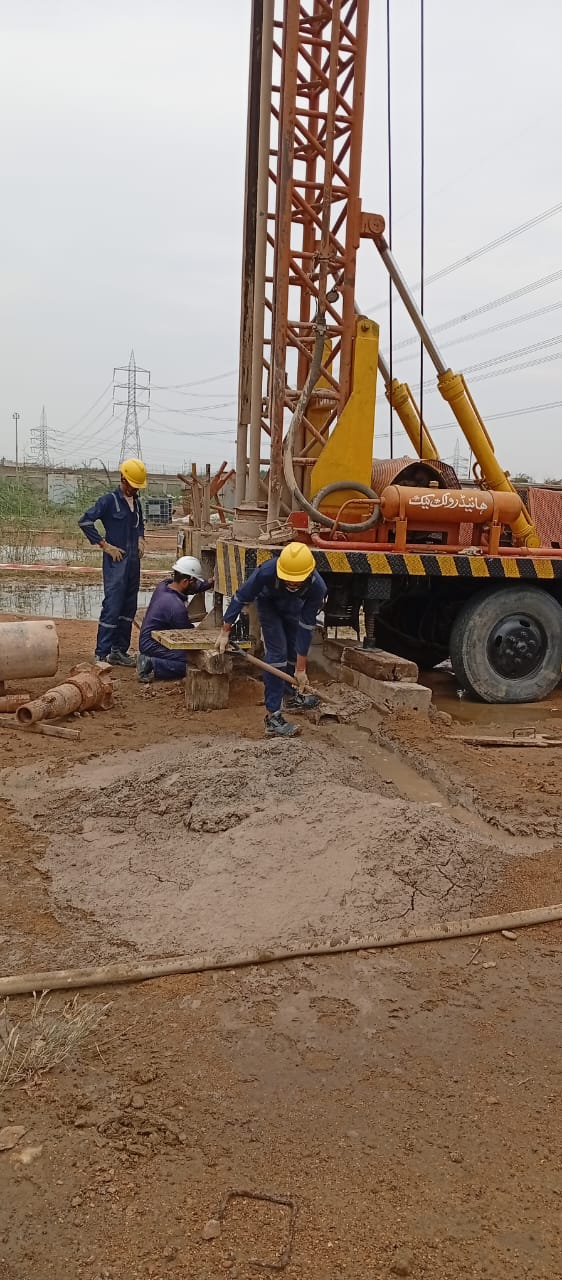
- Precision Shaft Excavation: Hydraulic rotary or bailer boring to design diameter (18-inch to 48-inch) and specified bedrock socket depth.
- Borehole Wall Stabilization: Temporary steel casing installation and density-controlled bentonite/polymer slurry circulation.
- Shaft Base Cleanout & Desanding: Mechanical base cleaning and slurry sand-content testing to ensure solid end-bearing contact.
- Rigid Reinforcement Cage Installation: Prefabricated rebar cage lowering with concrete spacer wheels ensuring accurate cover.
- Underwater Tremie Concrete Placement: Continuous, seamless tremie pouring using self-compacting or high-slump structural concrete.
- Comprehensive Drilling Logs: Pile boring logs detailing boring duration, stratum depth, socket length, and actual concrete overbreak volume.
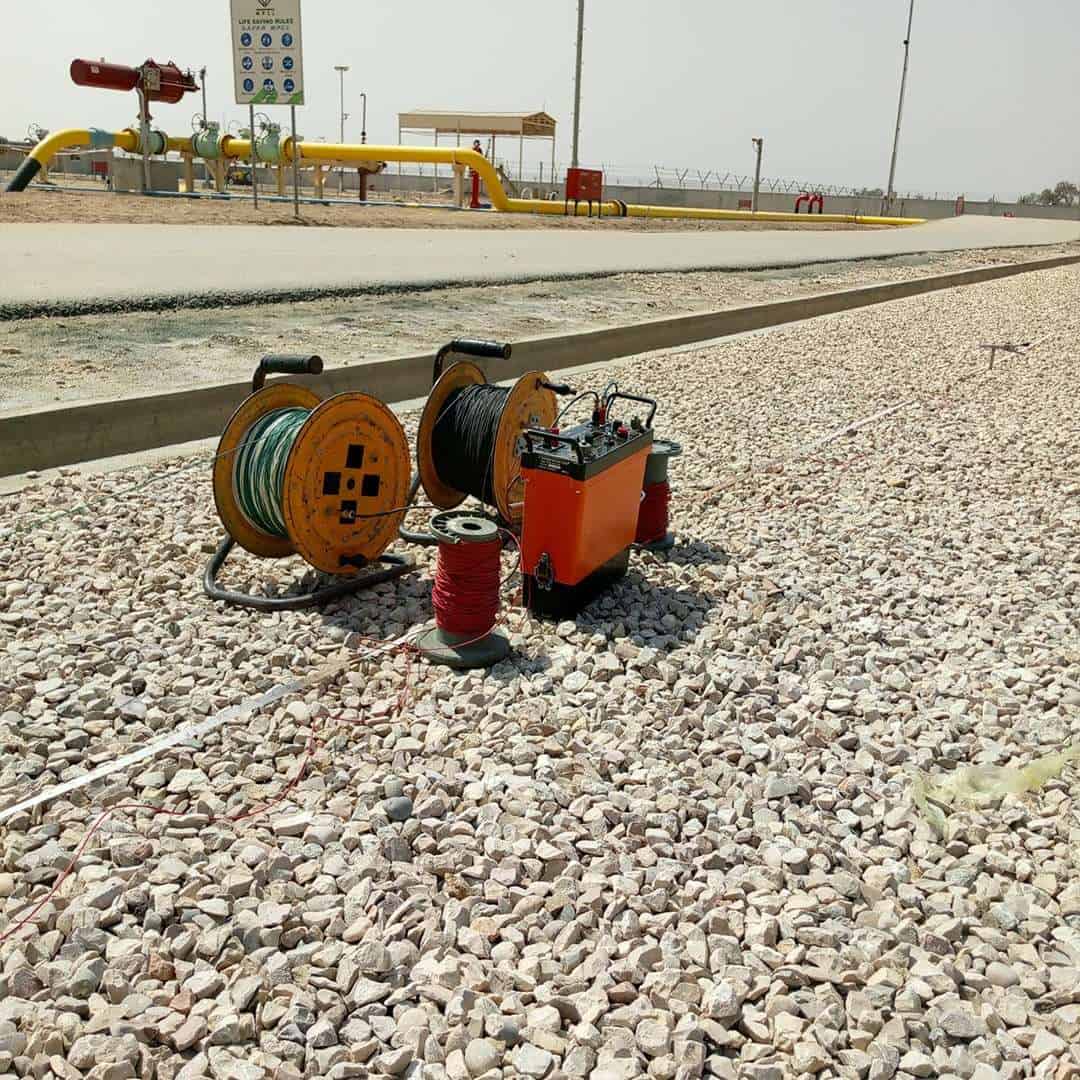
- Non-Destructive Integrity Verification: Low Strain Pile Integrity Testing (PIT) reports and static load test coordination.
Structural Stability for Pakistan's Modern Infrastructure
Rapid urban vertical growth and mega-infrastructure developments across Karachi, Lahore, Gwadar, and other Pakistani cities demand high-capacity foundation systems. Weak alluvial plains, coastal reclaimed lands, and high water tables cannot support the enormous vertical and seismic overturning moments of modern multi-story buildings through conventional shallow raft foundations. Bored cast-in-place concrete piles represent the proven, industry-standard solution to transfer immense structural loads directly to bedrock.
At Karachi Tubewell & Pumps, our heavy foundation division combines decades of drilling mastery with modern geotechnical piling machinery. We deploy hydraulic rotary rigs, mechanical tripod rigs with heavy chisels, and high-flow bentonite circulation pumps capable of cutting through dense gravels, boulders, and limestone formations. Every pile is drilled, reinforced, and poured to strict civil engineering specifications, guaranteeing zero foundation settlement and lifelong structural integrity.
Technical Specifications & Piling Capabilities
Our piling crews execute bored pile foundations across a broad spectrum of structural load envelopes:
| Piling Parameter | Commercial / Medium Capacity | Heavy Industrial / High-Rise Capacity |
|---|---|---|
| Pile Diameter | 18 inches to 24 inches (450 mm to 600 mm) | 30 inches to 48 inches (750 mm to 1,200 mm) |
| Drilling Depth Range | 40 feet to 80 feet (12m to 25m) | 70 feet to 150+ feet (20m to 45m+) |
| Boring Rig Technology | Heavy percussion tripod / Rotary wash | Hydraulic rotary kelly bar / Reverse circulation |
| Wall Stabilization Method | Temporary steel casing & bentonite slurry | Full casing / Polymer drilling fluid |
| Safe Axial Working Load | 60 to 180 tons per pile | 200 to 600+ tons per pile |
| Concrete Placement | Continuous watertight tremie pipe method | Continuous watertight tremie pipe method |
| Concrete Strength Class | 3,000 to 4,000 psi (Slump 175 - 200 mm) | 4,000 to 5,500 psi (High-performance mix) |
| Quality Assurance & Testing | Low Strain PIT (ASTM D5882) | PIT + Crosshole Sonic Logging (ASTM D6760) |
Our 5-Step Bored Pile Construction Protocol
We execute pile foundation drilling using a systematic, quality-controlled methodology:
Layout & Guide Casing
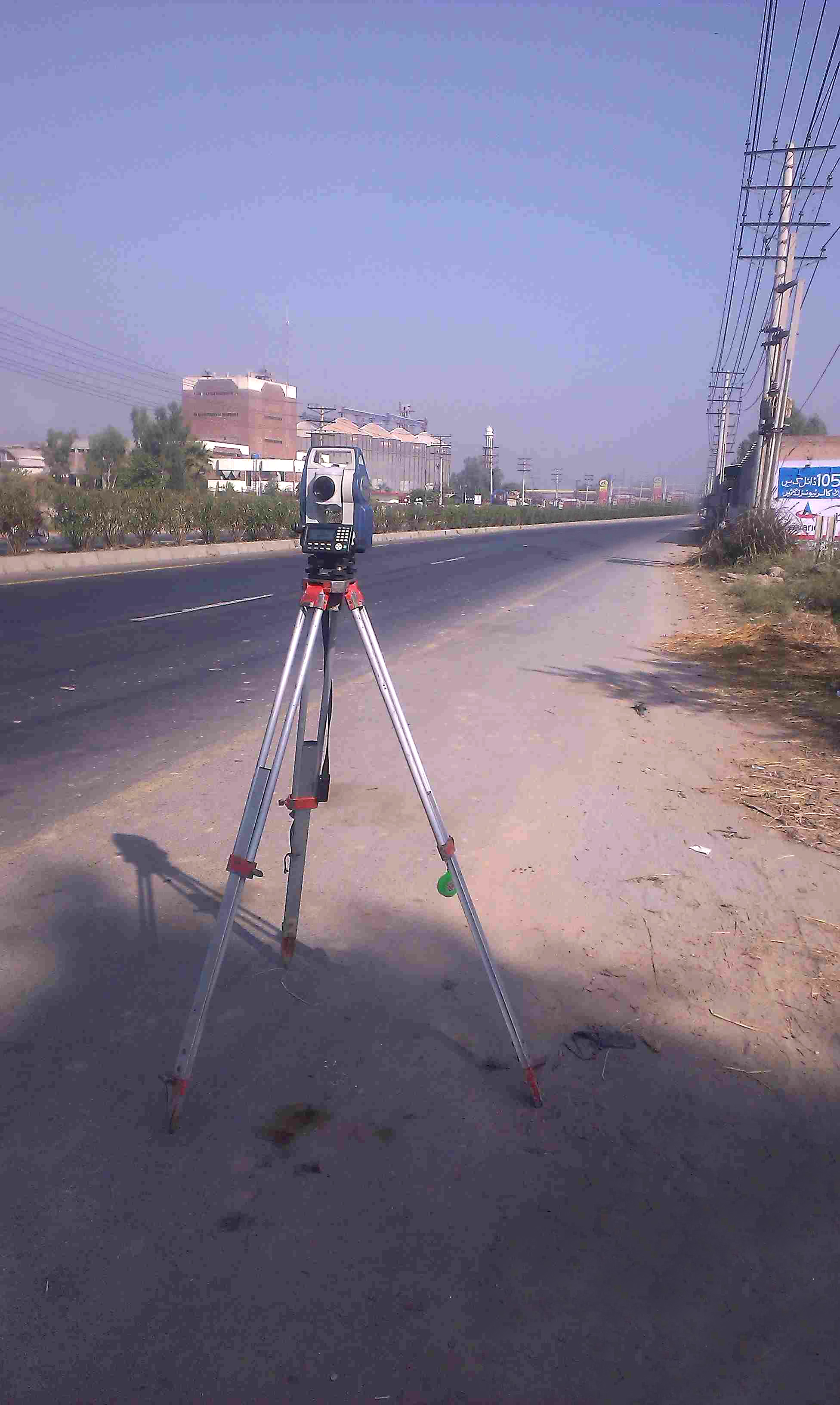
Using calibrated digital Total Stations, pile center points are pinned. Heavy steel temporary guide casing is vibrated to protect the upper shaft from surface caving.
Shaft Excavation & Slurry
Rotary augers or heavy percussion bailers advance the bore. Bentonite slurry is continuously circulated to maintain positive hydrostatic balance and borehole wall stability.
Base Cleanout & Desanding
Upon reaching the design rock socket depth, a cleanout bucket removes settled debris. Slurry density and sand content are verified for solid end-bearing contact.
Rebar Cage Lowering
The engineered steel reinforcement cage is hoisted by crane and centered in the bore. Heavy-duty concrete spacers maintain the required 75mm clear cover throughout.
Tremie Concrete Pouring
Watertight steel tremie pipes are lowered to the base. High-slump concrete is placed continuously, displacing bentonite slurry upward until pristine concrete emerges.
Cost Factors & Pricing Considerations
Bored pile foundation costs depend on structural loading demands, borehole diameter, and geological rock socketing:
Larger pile diameters (30 to 48 inches) require higher concrete volume and heavy-duty drilling rigs to excavate the column cross-section.
Penetrating into competent sandstone, limestone, or hard strata for end-bearing requires specialized chisel tooling and socket coring.
High-rise structures with high seismic overturning moments necessitate heavier rebar cages and full-depth vertical reinforcement.
High groundwater tables and coastal marine clays require continuous bentonite slurry circulation to maintain borehole hydrostatic stability.
Verified Pile Foundation Reference
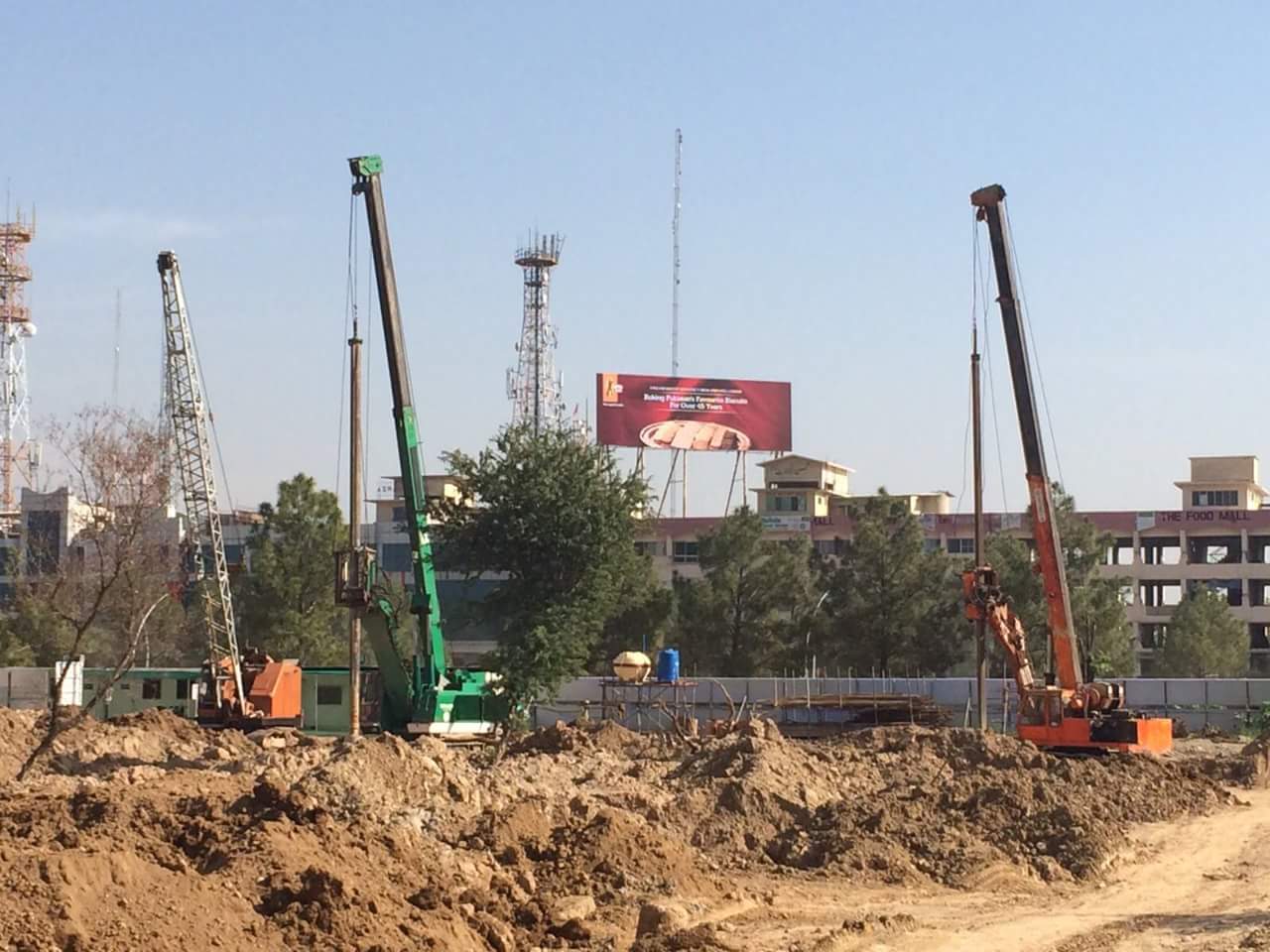
Multi-Story Commercial Tower Bored Pile Foundation
Scope: 68 bored cast-in-place concrete piles of 30-inch diameter drilled to 65 ft, socketed 10 ft into calcareous sandstone bedrock
Engineering Result: 100% of piles passed Low Strain Pile Integrity Testing (PIT ASTM D5882) with zero settlement verified under 250-ton proof load testing.
Frequently Asked Questions About Pile Foundation Bores
Common questions from structural consultants, main contractors, and project developers:
Bored cast-in-place pile foundations are required when upper geological strata consist of loose sands, soft marine clays, uncontrolled fill, or organic silt incapable of safely supporting structural column loads without excessive settlement. Piles transfer superstructure loads through friction along the pile shaft and end-bearing into deeper competent rock, dense gravel, or hardpan strata.
Karachi Tubewell & Pumps operates heavy rotary drilling rigs and percussion bailers capable of executing bored piles ranging from 18 inches (450 mm) up to 48 inches (1,200 mm) in diameter, reaching depths up to 150 feet (45 meters) or rock-socketed into competent sandstone and limestone bedrock.
To prevent borehole wall collapse and soil sloughing in unstable strata or beneath the water table, we install temporary steel guide casings through the upper loose soil and circulate bentonite or synthetic polymer drilling slurry. The hydrostatic head of the slurry creates a positive pressure filter cake against the shaft walls, maintaining structural borehole stability until concrete placement.
Tremie concrete pouring is a method of placing concrete underwater or under drilling slurry without segregation. A watertight steel pipe is lowered to the bottom of the borehole. High-slump concrete (175mm to 200mm) is pumped through the pipe, displacing the lighter bentonite slurry upward and outward as the borehole fills from the bottom up, ensuring a dense, continuous concrete column free of voids.
Non-destructive testing (NDT) is performed after the concrete cures. We conduct Low Strain Pile Integrity Testing (PIT according to ASTM D5882) to detect necking, voids, soil inclusions, or changes in pile cross-section. For critical high-rise foundations, Crosshole Sonic Logging (CSL) through embedded access tubes or full-scale Static Axial Compressive Load Tests (ASTM D1143) are executed.
All bored pile foundation projects follow Pakistan Building Code (PBC), American Concrete Institute (ACI 318 and ACI 336), and ASTM standards for borehole drilling, reinforcement cage fabrication, concrete placement, and non-destructive load and integrity verification.