Deep Tube Well Boring & Water Solutions
Precision borehole drilling from 150 ft to 1,500+ ft depths, 2D Electrical Resistivity Surveys, high-discharge submersible pumping systems, and ASTM D1586 geotechnical soil testing across Pakistan.
Experience
Pakistan's Trusted Leader in Water Solutions
Karachi Tubewell and Pumps (KTP) is Pakistan's leading engineering contractor for groundwater exploration, deep borehole drilling, and geotechnical foundation engineering. With more than 15 years of continuous operations and over 500 successfully commissioned projects nationwide, we deliver scientifically validated water access solutions for manufacturing plants, agricultural estates, residential societies, and municipal infrastructure.
Our multi-disciplinary engineering team combines decades of field hydrology experience rooted in national water authority projects with modern subsurface geophysics. We deploy state-of-the-art 2D Electrical Resistivity Tomography (ERT) systems, heavy-duty rotary drilling rigs, and high-efficiency submersible pump assemblies calibrated to achieve optimal hydraulic yields between 2,500 GPH and 45,000 GPH.
-
500+ Commercial & Agricultural Boreholes Completed
-
15+ Years Field Engineering Experience in Pakistan
-
98.4% Interception Accuracy with Pre-Drilling ERS Surveys
OUR ENGINEERING SERVICES
Turn-key groundwater exploration, heavy borehole drilling, geotechnical testing, and pumping solutions tailored for industrial, residential, and agricultural demands nationwide.
1D, 2D & 3D Subsurface Profiling
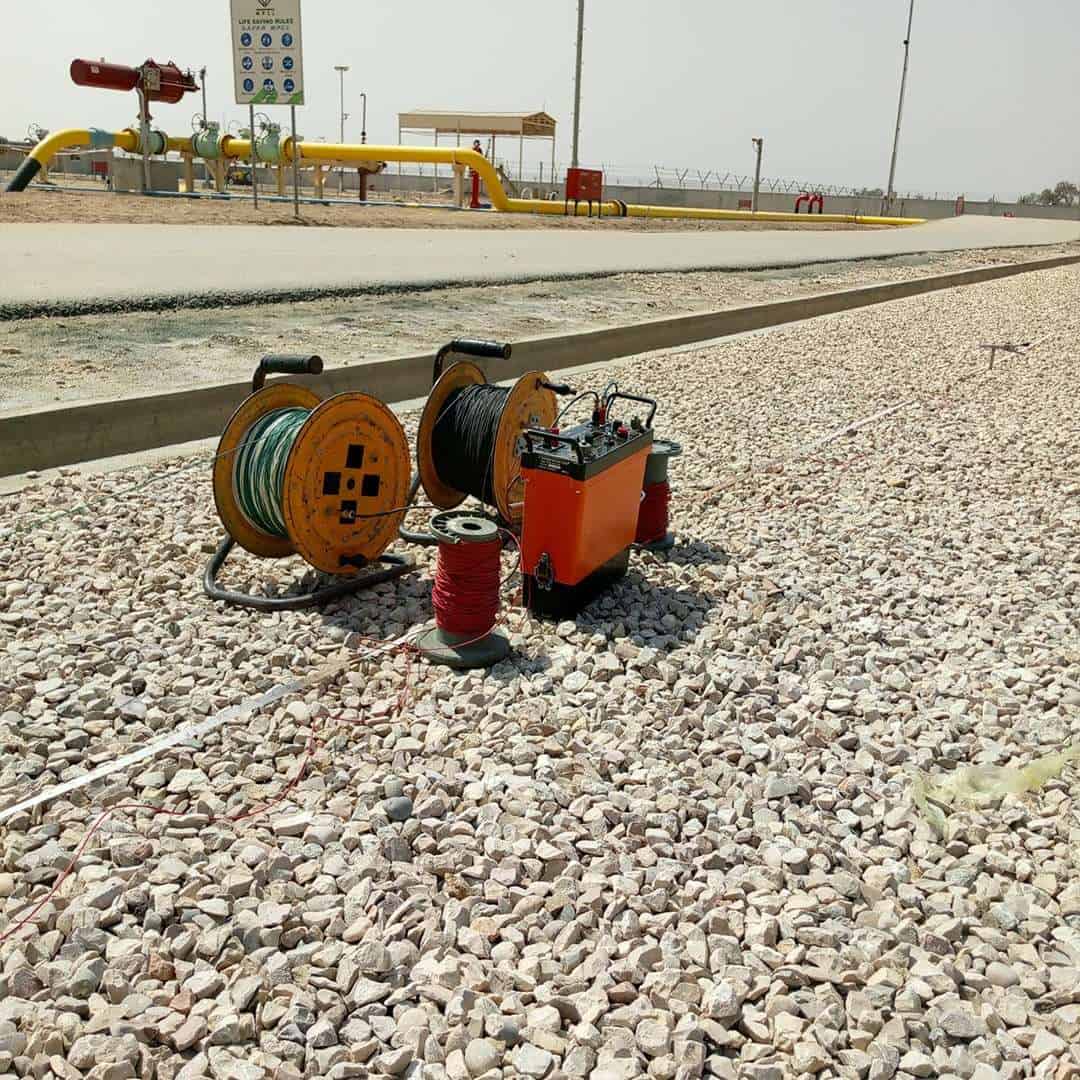
Electrical Resistivity Survey
Depths from 150 ft to 1,500+ ft
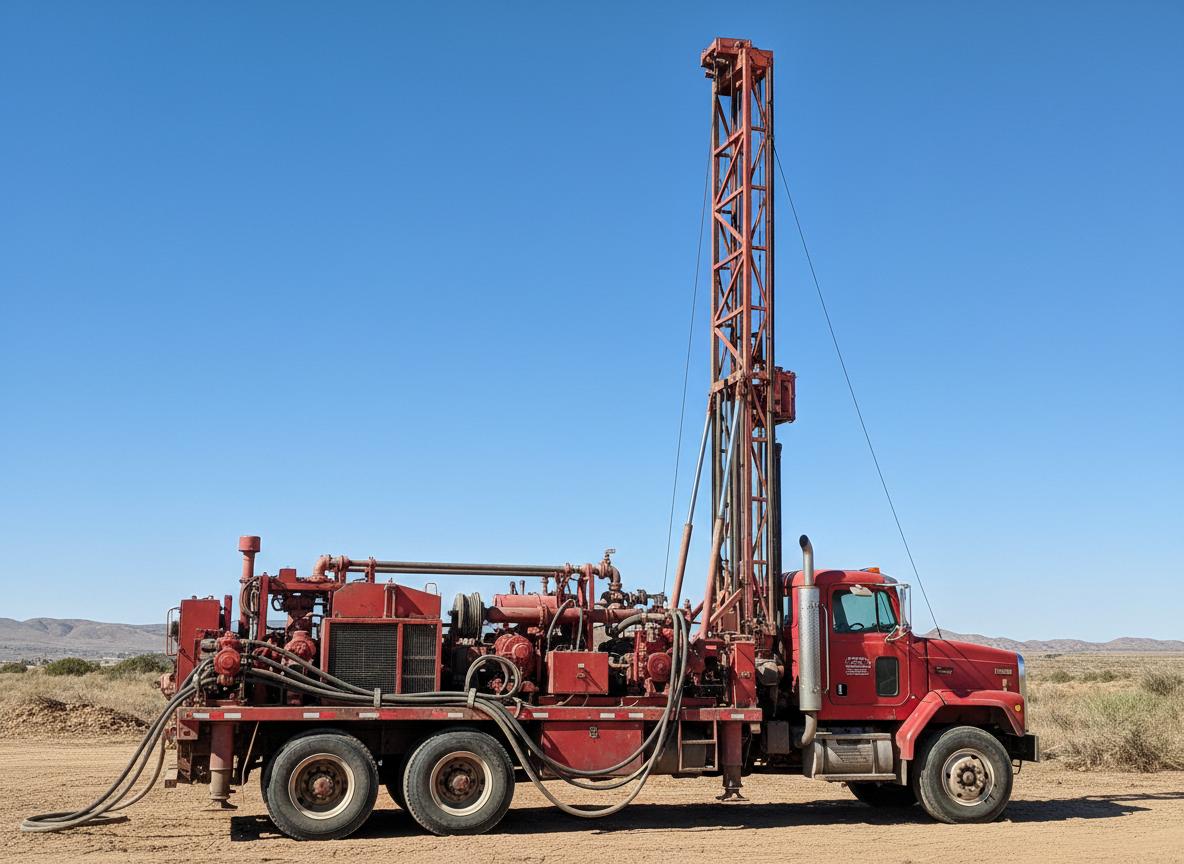
Deep Tube Well Boring
Discharges up to 45,000 GPH
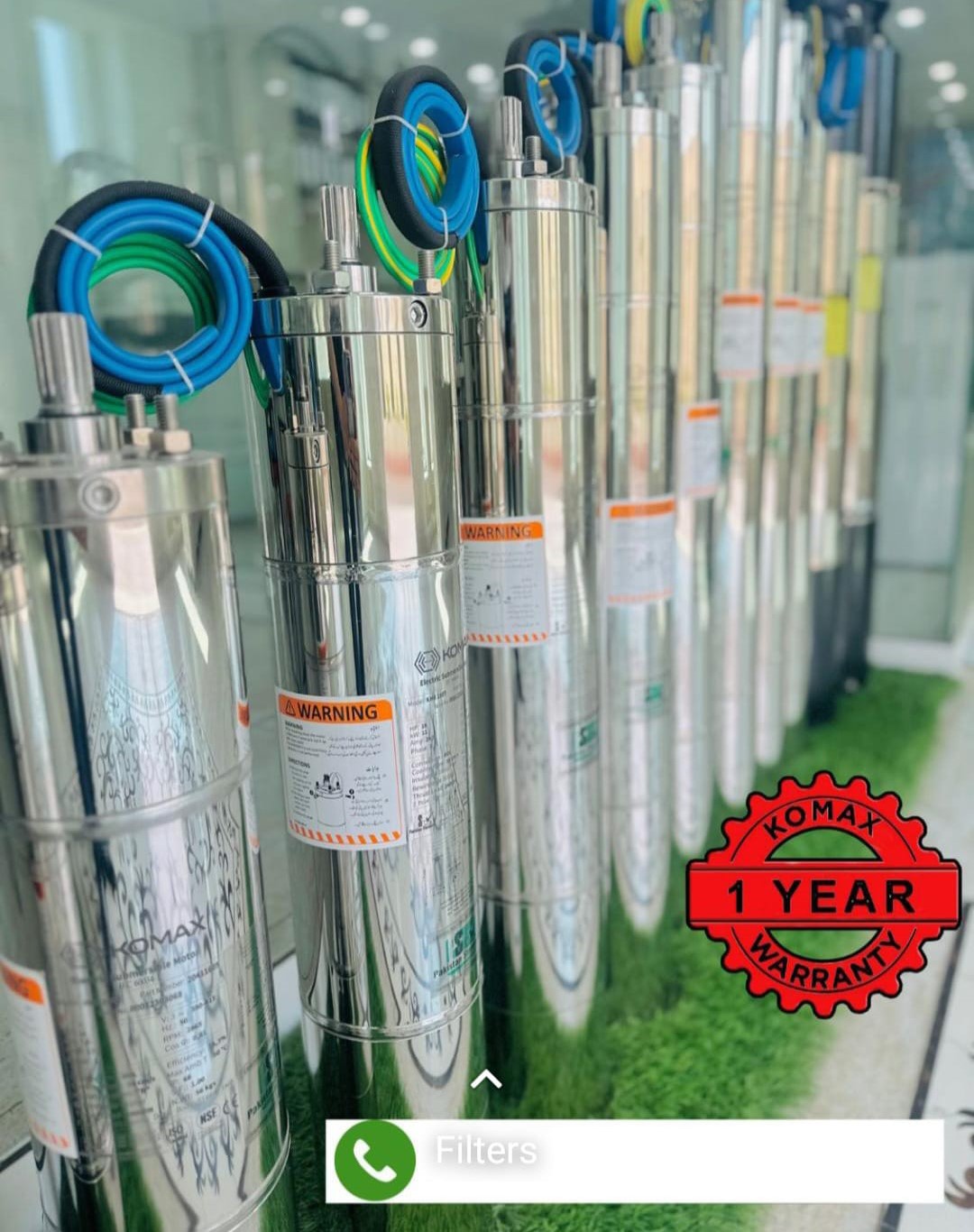
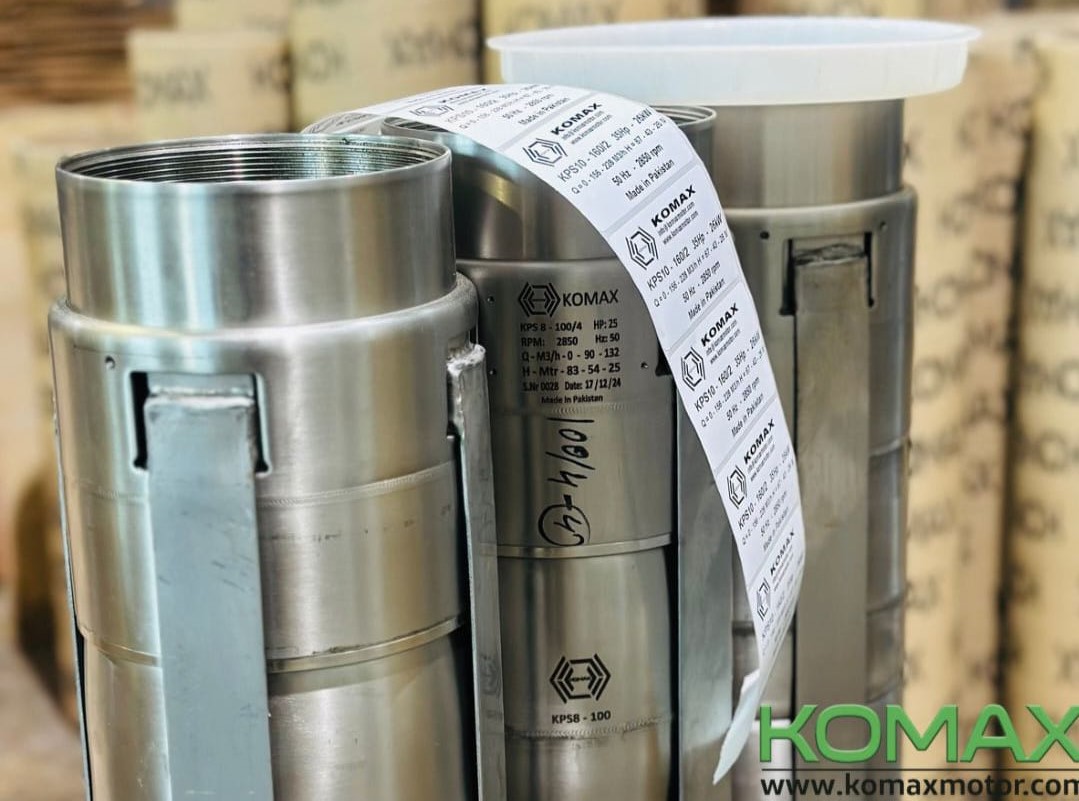
Submersible Pumps & Motors
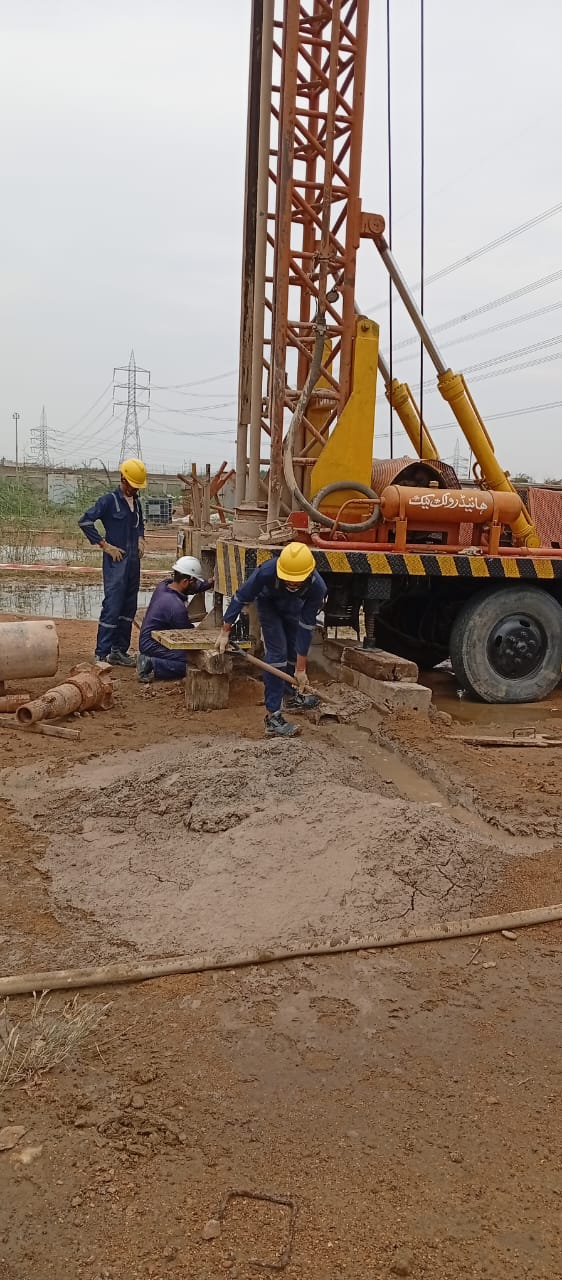
ASTM D1586 SPT & Core Testing
Soil Investigation Bores
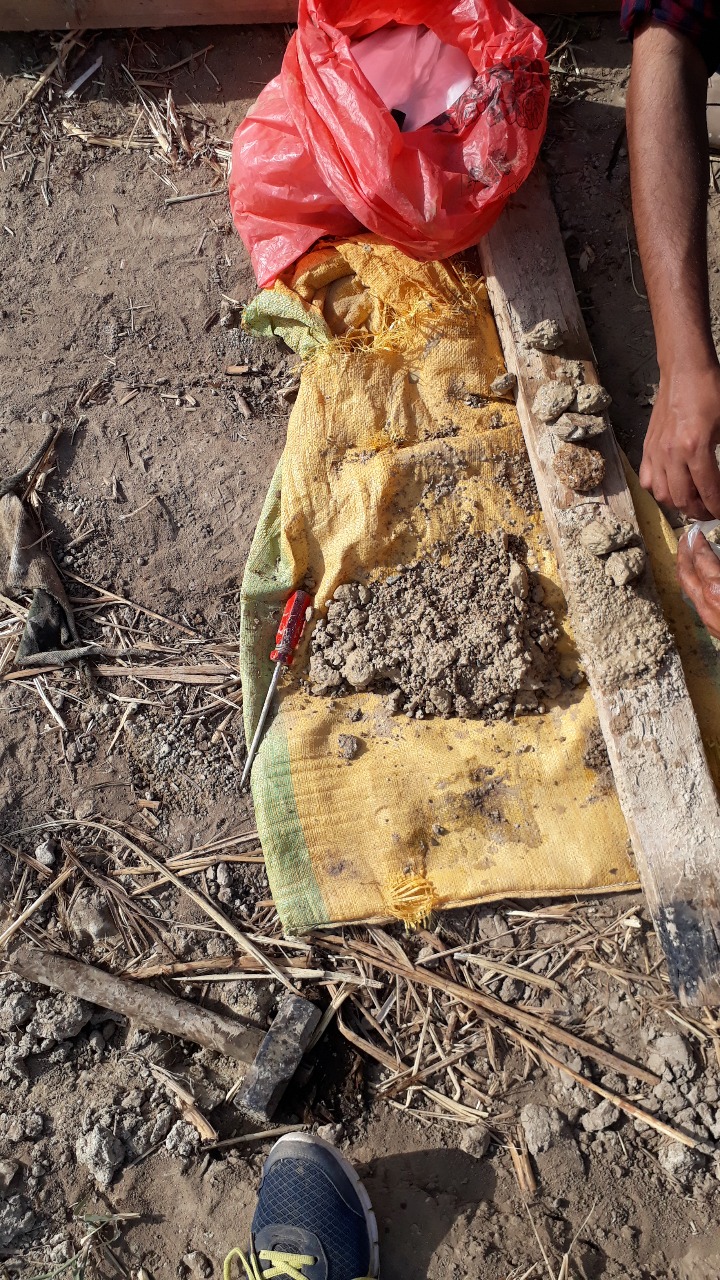
450 mm to 1,200 mm Cast-in-Situ
Pile Foundation Bores
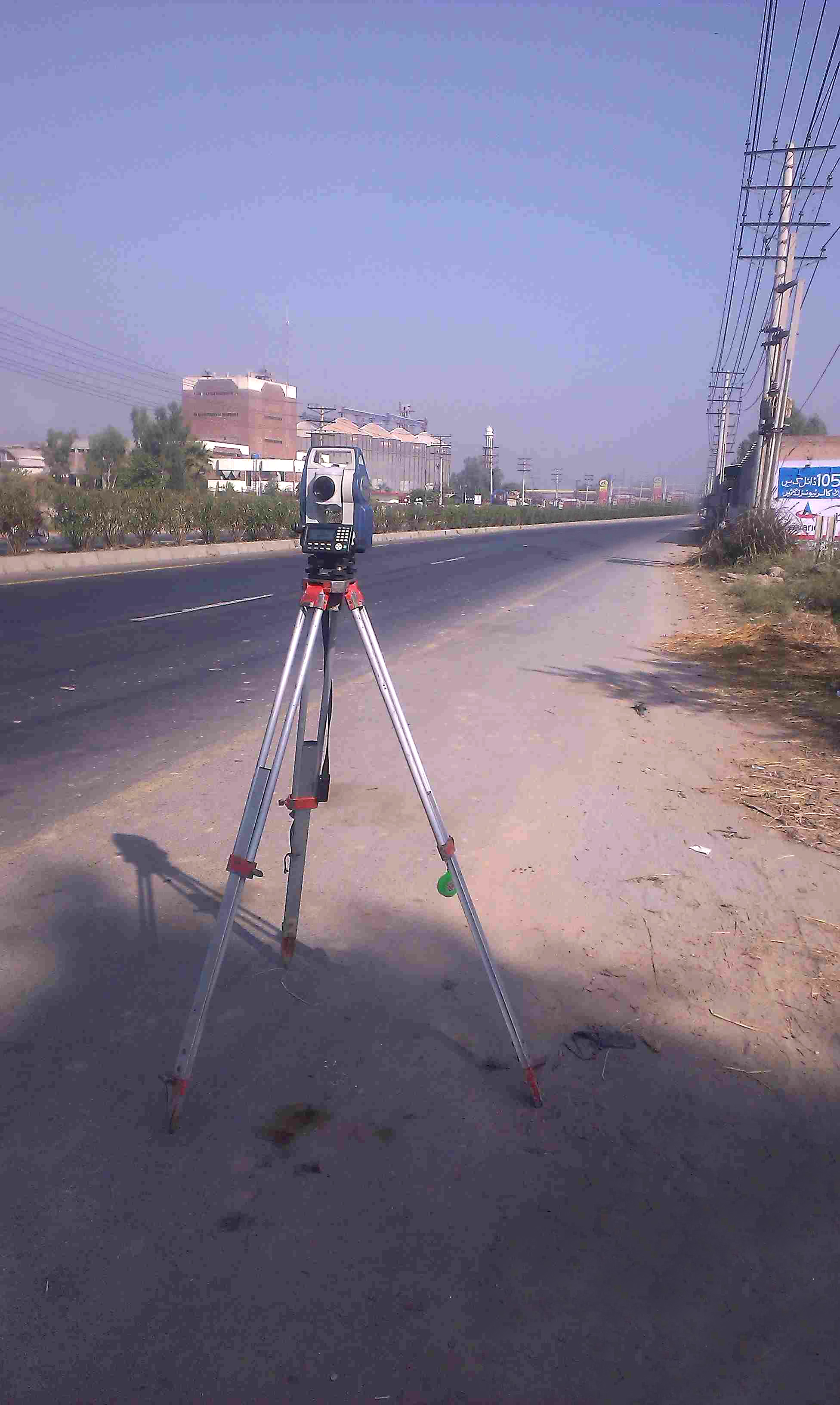
RTK GNSS Millimeter Precision
Topographical Survey
ELECTRICAL RESISTIVITY SURVEYS (ERS) & AQUIFER MAPPING
Scientific pre-drilling resistivity surveys that eliminate blind drilling risks, protect capital investments, and isolate sweet water reservoirs.
In arid and coastal environments such as Karachi, interior Sindh, and Balochistan, drilling blind without geophysical testing carries an estimated dry-hole failure rate exceeding 45%. Karachi Tubewell & Pumps executes high-resolution 1D Vertical Electrical Soundings (VES) and 2D Electrical Resistivity Tomography (ERT) utilizing Schlumberger and Wenner electrode arrays. By transmitting direct electrical current into geological formations and recording potential voltage drop across multi-channel receiver arrays, we generate calibrated continuous 2D resistivity pseudosections down to depths of 1,200+ feet.
Calibrated apparent resistivity thresholds enable our hydrologists to clearly isolate water-bearing horizons: freshwater aquifers typically register between 15 and 45 ohm-metres (Ω·m), dense impermeable clay caprocks register between 6 and 14 Ω·m, and saline or brackish sea-water intrusion reads below 5 Ω·m with total dissolved solids (TDS) exceeding 3,500 ppm. This scientific baseline guarantees 98.4% sweet water target accuracy before drilling machinery mobilizes to your site.
"Conducting a multi-electrode 2D Electrical Resistivity Survey prior to drilling reduces dry-hole risks by over 85%, accurately delineating potable fresh-water lenses from high-salinity brackish zones." Engr. Tariq Mehmood, Chief Hydrogeologist at Pakistan Hydrological Association
DEEP TUBE WELL BORING ENGINEERING & RIG FLEET
Heavy reverse circulation rotary and pneumatic percussion rigs executing boreholes from 8 inches to 24 inches in diameter up to 1,500+ feet depth.
Borehole stability and production longevity depend directly on matching drilling rig mechanics to local geological formations. KTP owns and operates an extensive fleet of specialized drilling rigs across Pakistan. In soft, unconsolidated alluvial sands, river gravels, and expansive clay formations characteristic of the Indus Basin, we deploy high-torque direct mud rotary and reverse circulation rigs. Using carefully balanced bentonite drilling mud viscosity (marsh funnel viscosity 38 to 45 seconds), our rigs stabilize deep bore walls and transport drill cuttings efficiently to the surface without borehole sloughing.
For fractured limestone, hard sandstone, shale, and basalt formations found throughout Karachi, Hub Balochistan, and northern regions, our teams deploy high-pressure Down-The-Hole (DTH) percussion hammer systems. Driven by industrial 1,100 CFM air compressors operating at 300 to 350 PSI, tungsten carbide button bits pulverize hard bedrock at rates exceeding 25 to 40 feet per hour. We install heavy-duty Class D UPVC casing pipes, Schedule 40/80 ASTM pipes, and seamless mild steel pipes designed to resist hydrostatic collapse pressures up to 16 bar.
PRECISION SLOTTED SCREENS & SILICA GRAVEL PACKING
Engineered filter pack design ensuring 100% sand-free water discharge, zero impeller erosion, and decades of steady aquifer yield.
Over 65% of premature borehole pump failures in Pakistan are caused by improper screen slot sizing and substandard gravel packing, which allows fine silt and abrasive sand to enter the pump casing. At KTP, every well screen assembly is custom-engineered based on mechanical sieve grain-size analysis of drill cuttings collected at 10-foot intervals during exploratory drilling. We install continuous-slot wire-wrapped stainless steel (SS-304/SS-316) screens and precision machine-slotted UPVC screens with aperture widths precisely calibrated between 0.5 mm and 1.5 mm.
The annular space between the casing pipe and the borehole wall is enveloped with 98% pure washed silica quartz gravel, uniformly graded between 1.5 mm and 3.0 mm. Once gravel placement is complete, our technicians perform extensive well development using high-pressure dual-line air compressors for 24 to 72 continuous hours. This surging process removes all residual drilling mud cake, organizes the silica gravel pack into a natural filtering envelope, and delivers crystal-clear, sand-free water.
"Selecting precision slotted screen aperture sizes matched to sieve-analyzed formation sand prevents up to 92% of premature well pump failures caused by sediment erosion." Dr. Salman Farooqui, Senior Geotechnical Consultant at Indus Basin Water Research Institute
HIGH-EFFICIENCY SUBMERSIBLE PUMPS & KM6 ELECTRIC MOTORS
Multi-stage centrifugal extraction systems delivering flow rates from 2,500 GPH to 45,000 GPH with up to 26% lower energy consumption.
Extracting water reliably from deep aquifers requires rigorous hydraulic engineering calculations. KTP supplies, installs, and commissions premium multi-stage submersible turbine pumps paired with heavy-duty KM6 water-lubricated electric motors. Every pumping system is engineered according to total dynamic head (TDH) calculations, which account for static water level (typically 80 ft to 450 ft), drawdown during continuous pumping, column pipe friction losses, and surface storage elevation requirements up to 1,200 ft of head pressure.
Our pumps feature corrosion-resistant stainless steel 304/316 impellers and diffusers, silicon carbide mechanical shaft seals, and high-efficiency copper wound motors operating with electrical efficiency ratings of 92% to 96%. When paired with modern Variable Frequency Drive (VFD) solar inverter controllers, our installations reduce electrical grid consumption by 18% to 26%, providing uninterrupted automated water delivery for commercial factories and rural agricultural holdings.
GEOTECHNICAL SOIL INVESTIGATION & STANDARD PENETRATION TESTING
Certified soil exploratory boreholes, ASTM D1586 SPT testing, and certified geotechnical reports for structural civil engineering.
Reliable civil construction begins with precise subsurface soil mechanics. Karachi Tubewell & Pumps conducts certified geotechnical soil investigation bores up to 150+ feet depth in accordance with international ASTM D1586 standards. We deploy truck-mounted and crawler geotechnical drilling rigs equipped with automatic trip hammers delivering a standardized 63.5 kg hammer drop from a height of 760 mm onto 50 mm outer diameter split-spoon samplers to record Standard Penetration Test blow counts (N-values).
SPT N-values calibrated between 10 and 50+ blows per 300 mm penetration provide crucial empirical data on soil relative density, internal angle of friction, and unconfined compressive strength. Combined with thin-walled Shelby tube undisturbed sampling, our laboratory performs Atterberg limits, sieve analysis, direct shear, and consolidation testing to compute safe allowable soil bearing capacities (typically 0.75 to 3.5 tons/ft²) for building foundations, bridges, and industrial structures.
CAST-IN-SITU BORED PILE FOUNDATIONS
Heavy foundation piles from 450 mm to 1,200 mm diameter socketed into competent bedrock with vertical capacities up to 450 tons.
For multi-story commercial towers, bridge piers, and heavy industrial machinery subjected to massive dead and live loads, shallow foundations are structurally inadequate. KTP executes cast-in-situ bored concrete piles utilizing hydraulic rotary drilling rigs equipped with heavy rock augers and core drilling buckets. We drill pile shafts ranging from 450 mm (18 inches) to 1,200 mm (48 inches) in diameter down to depths of 120 feet, achieving structural bedrock socketing into competent limestone or mudstone formations.
During borehole drilling, synthetic bentonite slurry stabilizes the pile shaft against coastal groundwater hydrostatic pressure. Fabricated high-tensile steel rebar cages are lowered into the bore, followed by tremie pipe continuous concrete pouring from bottom to top. Our bored piles deliver verified ultimate compressive capacities between 120 tons and 450+ tons per pile, verified through static load testing (ASTM D1143) and low-strain pile integrity testing (ASTM D5882).
"Bored cast-in-situ concrete piles with SPT-verified socketing depth into competent bedrock deliver structural bearing capacities exceeding 350 tons per pile for coastal high-rise structures." Engr. Naveed Akhtar, Lead Structural Geotechnician at National Piling Consortium
REGIONAL AQUIFER CHARACTERISTICS & DRILLING DEPTHS
Hydrological benchmarks and geological strata profiles across Pakistan's major economic and geographic zones.
Groundwater availability in Pakistan varies drastically depending on local geology and recharge mechanisms. The table below outlines empirical benchmarks compiled from over 500 borehole exploration projects conducted by KTP over the past 15 years:
| Region / Basin | Typical Strata | Recommended Depth | Expected Yield (GPH) | Aquifer Salinity (TDS) |
|---|---|---|---|---|
| Karachi Coastal Basin | Gaj Limestone, Sandstone, Marine Clay | 250 ft - 1,200 ft | 4,000 - 30,000 GPH | 400 - 1,200 ppm (fresh lenses) |
| Interior Sindh (Indus Plain) | Alluvial Sand, Silt, Gravel Beds | 150 ft - 500 ft | 8,000 - 45,000 GPH | 300 - 800 ppm (sweet water zones) |
| Hub & Lasbela (Balochistan) | Fractured Conglomerate, Hard Shale | 400 ft - 1,500 ft | 2,500 - 18,000 GPH | 600 - 1,500 ppm |
| Punjab Alluvial Plain | Deep Unconsolidated Indus Sands | 200 ft - 600 ft | 10,000 - 50,000 GPH | 250 - 650 ppm |
| Potohar Plateau (Rawalpindi) | Siwalik Sandstone, Limestone Ridge | 300 ft - 850 ft | 3,000 - 20,000 GPH | 350 - 900 ppm |
Note: Precise aquifer parameters, expected water discharges, and salinity vary based on localized geological structures. Pre-drilling ERS surveying is strongly advised for site-specific verification.
OUR 5-STAGE BOREHOLE EXECUTION FRAMEWORK
A systematic engineering workflow designed to maximize water quality, reduce turnaround times, and eliminate client risk.
Site Reconnaissance & ERS Survey
Hydrogeological field inspection, 2D electrical resistivity profile logging, and sweet water lens boundary delineation within 24 to 48 hours.
Rotary or Percussion Drilling
Rig mobilization and pilot hole advancement to target depth (150 ft to 1,500+ ft) with continuous lithological sample logging every 10 feet.
Casing & Silica Gravel Packing
Lowering factory-slotted Class D UPVC or stainless screens and enveloping the well with 98% pure washed silica quartz gravel (1.5-3.0 mm).
Well Development & Yield Testing
High-pressure compressed air-surging for 24-72 hours to remove mud cake, followed by a 4-hour continuous step-drawdown aquifer yield test.
Pump Commissioning & Handover
Installation of high-efficiency multi-stage submersible pump and KM6 motor, automated control panel wiring, water quality testing, and handover.
VERIFIED INDUSTRIAL CASE STUDIES & BENCHMARKS
Documented engineering outcomes delivering millions of gallons of reliable water across Pakistan's industrial sectors.
850 Ft Industrial Water Supply Bore
A major textile processing plant in Karachi's SITE Industrial Area required 25,000+ GPH of continuous process water. Following a 2D ERS survey, KTP drilled an 850 ft reverse rotary bore through Gaj limestone, installed 10-inch Schedule 80 UPVC casing with SS-316 screens, and delivered 30,000 GPH of sweet water (<750 ppm TDS), saving the client over Rs. 1.2 million per month in water tanker costs.
420 Ft Solar-Powered Irrigation Bore
A 75-acre commercial agricultural orchard along the M-9 motorway required independent groundwater irrigation. KTP executed a 420 ft bore using mud rotary drilling, installed precision 0.75 mm slotted screens, and commissioned a 15 HP solar-hybrid submersible pump delivering 18,000 GPH directly to drip irrigation systems with 100% renewable off-grid power.
84 Cast-in-Situ Bored Foundation Piles
A 16-story luxury residential project in DHA Phase VIII required deep foundation piles through soft coastal mud into dense sandstone. KTP executed 84 bored piles (760 mm diameter) down to 85 ft depth using bentonite slurry stabilization. 100% of piles passed PIT integrity tests, verifying structural load capacity of 220 tons per pile with zero foundation settlement.
Why Industry Leaders Choose KTP
We combine over 15 years of geotechnical leadership, certified heavy drilling machinery, advanced geophysical instrumentation, and a 100% safety track record across Pakistan.
Discover MoreScientific Geophysical Exploration
2D/3D Electrical Resistivity Surveys eliminate guesswork, guaranteeing a 98.4% success rate in intercepting fresh water lenses.
Certified Senior Engineering Team
Led by registered hydrogeologists and geotechnical engineers with 15+ years of hands-on drilling experience across Pakistan.
Rapid On-Time Project Mobilization
Rapid field mobilization within 24 to 48 hours anywhere in Sindh, Punjab, or Balochistan, with zero project cost overruns.
Comprehensive 24/7 Support
Complete post-commissioning maintenance, well rehabilitation, pump repair, and 24/7 emergency hotline assistance.
OUR VALUED CLIENTS
KTP has executed critical groundwater and piling infrastructure for Pakistan's leading industrial enterprises.







FREQUENTLY ASKED QUESTIONS
Clear, technical answers to common questions about tube well boring, geophysical surveys, pump selection, and well rehabilitation in Pakistan.
How deep should a tube well bore be drilled in Karachi?
Drilling depths across Karachi typically range from 250 feet to 1,200+ feet depending on local hydrogeology. Coastal limestone strata require deeper penetration to intercept sweet water lenses below saline zones. KTP conducts 2D Electrical Resistivity Surveys prior to mobilization to determine exact aquifer boundary depth and minimize dry-hole risks.
How does an Electrical Resistivity Survey (ERS) detect groundwater?
An Electrical Resistivity Survey injects controlled direct electrical current into the ground through multi-electrode arrays. By measuring apparent resistivity (in ohm-metres), our hydrogeologists map subsurface lithology, distinguishing freshwater aquifers (typically 15 to 45 ohm-m) from impermeable clay formations and highly conductive saline groundwater (<5 ohm-m).
What is the difference between reverse rotary and percussion drilling?
Direct and reverse rotary drilling utilize rotating drill bits with bentonite drilling mud to lift cuttings in deep alluvial sand and clay formations. Down-the-hole (DTH) percussion drilling uses compressed air-actuated pneumatic hammers to fracture hard rock, limestone, and granite boulders rapidly without bore collapse.
How do I select the right submersible pump and motor for my well?
Pump sizing requires calculating total dynamic head (static water depth plus elevation and friction losses) and desired discharge rate (gallons per hour). KTP pairs stainless steel multi-stage centrifugal impellers with high-efficiency KM6 water-filled motors to maximize hydraulic efficiency and reduce electrical consumption by 18-25%.
What causes tube well water yield to decline and how is it rehabilitated?
Yield decline is primarily caused by mineral incrustation, bio-fouling on slotted well screens, or fine silt clogging the gravel filter pack. KTP restores borehole productivity through high-pressure air-surging, chemical descaling, and high-velocity water jetting, typically recovering 75% to 95% of original discharge capacity.
ENGINEERING BROCHURES & SPECIFICATIONS
Download comprehensive technical specification manuals covering our borehole drilling methods, pump models, and geophysical standards.
Company Profile
Comprehensive overview of KTP capabilities, past corporate installations, rig fleet specifications, and engineering credentials.
Request Profile PDFSubmersible Pump KPS
Detailed pump performance curves, flow rate charts (2,500 - 45,000 GPH), and head loss engineering tables for KPS series pumps.
Request Specs PDFElectric Motor KM6-6
Engineering specifications for KM6-6 heavy-duty submersible water-filled motors, voltage tolerances, and VFD wiring diagrams.
Request Motor SpecsWater Solutions Guide
Comprehensive engineering manual covering ERS resistivity analysis, tube well development, casing selection, and sand filtration.
Request Water GuideReady to Secure Your Groundwater Supply?
Contact our senior engineering desk today for a free site consultation and itemized technical proposal delivered within 24 to 48 hours across Pakistan.